
Why Your Home Still Feels Incomplete (And the Small Details That Fix It)

Why Your Home Still Feels Incomplete (And the Small Details That Fix It) You bought the furniture. You painted the walls. Everything should feel finished. But sometimes a room still feels like something is missing. Usually, the difference comes from the details. Layer Your Lighting Many rooms rely on one overhead light. Instead combine: Different light levels create warmth and depth. Add Texture Rooms feel flat when every surface has the same finish. Mix: Texture creates visual interest. Create Visual Anchors Every room benefits from focal points. Examples: Style in Groups Decor feels more natural in odd-number groupings. Try: Leave Empty Space Not every surface needs decoration. Allowing breathing room helps key pieces stand out. Final Thoughts A finished home is rarely about buying more things. Often, thoughtful details, better balance, and intentional styling are what make a space finally feel complete.
How to Mix Furniture Styles Without It Looking Like a Mistake
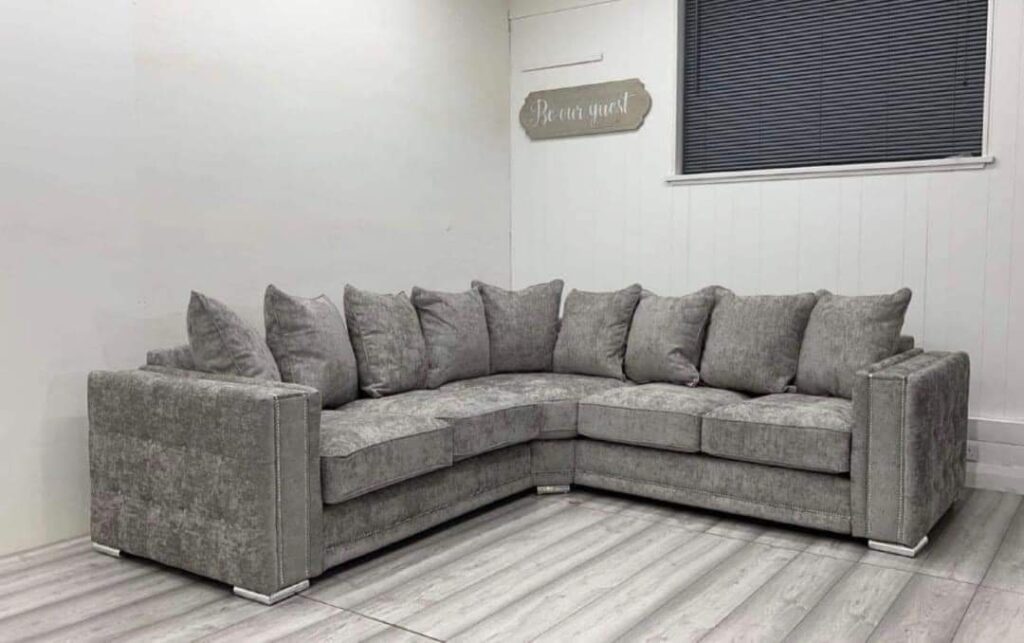
Matching furniture sets used to be the standard approach to decorating a home. Today, the most interesting interiors feel layered, collected, and personal. Mixing furniture styles can create a space that feels lived-in and unique, but without a plan, it can quickly become visually overwhelming. The good news is that mixing styles does not mean breaking every design rule. It means creating balance. Start With One Dominant Style Choose one style to lead the room and use others as accents. For example: Keeping one style dominant gives the room structure while allowing secondary pieces to add character. Use a Consistent Colour Palette Different furniture styles work together more easily when the colours feel connected. Try: A cohesive palette helps the room feel intentional rather than random. Balance Shapes and Proportions If your sofa has clean modern lines, pair it with softer shapes elsewhere such as: Rooms feel more balanced when furniture proportions complement each other. Repeat Materials Throughout the Space One of the easiest ways to connect different styles is through repeated finishes. Examples: Consistency creates visual flow. Leave Space for Contrast Not everything needs to match. That vintage cabinet may look better beside a modern sofa because the contrast creates interest. The goal is coordination, not uniformity. Final Thoughts The best interiors rarely come from buying everything at once. Mixing furniture styles creates a home that reflects personality, history, and everyday life. Start with a clear foundation, repeat colours and materials, and allow a few unexpected combinations to make the space feel yours.
6 Home Updates Under £200 That Actually Make a Difference
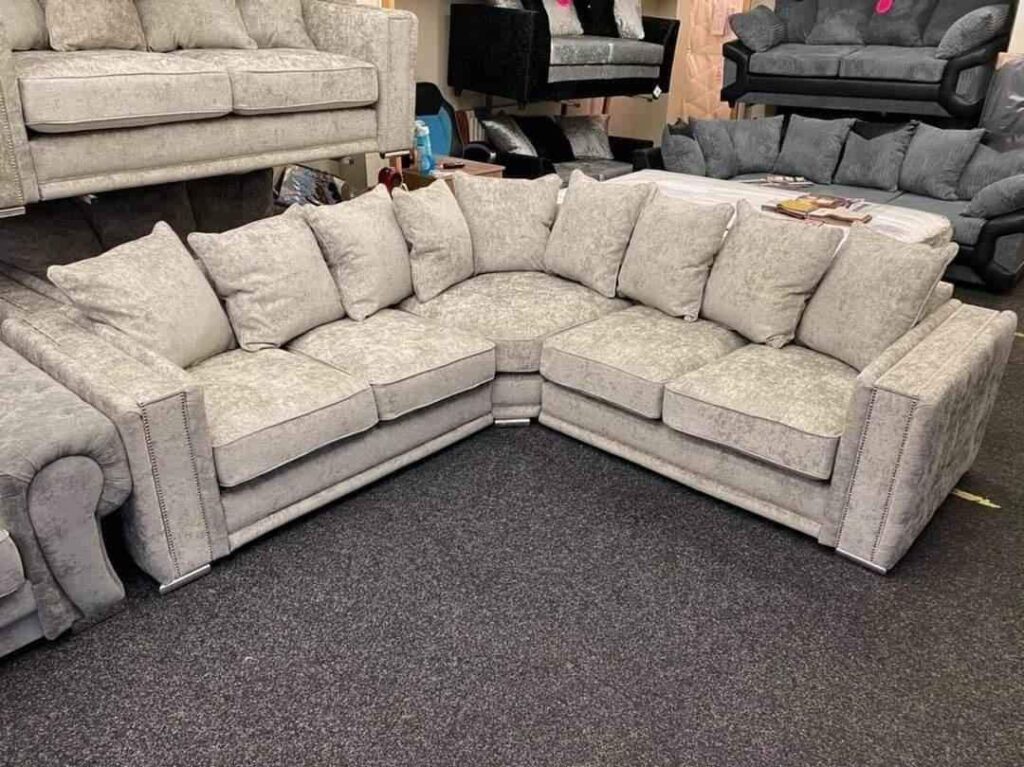
Refreshing your home does not always require major construction or expensive furniture. Small updates can completely change how a room feels while staying within budget. Here are six practical upgrades worth considering. 1. Upgrade Your Lighting Lighting changes atmosphere instantly. Try: Estimated cost: £30–£150 2. Add Larger Soft Furnishings Replacing cushions, throws, and rugs adds comfort and visual interest. Choose: Estimated cost: £50–£200 3. Paint One Feature Wall A single painted wall can redefine a room without the cost of a full repaint. Popular options: Estimated cost: £40–£100 4. Replace Hardware and Handles Swapping cabinet handles, drawer pulls, and door hardware gives furniture and kitchens an updated appearance. Estimated cost: £20–£120 5. Bring in Plants Plants add movement, texture, and colour naturally. Good low-maintenance choices: Estimated cost: £20–£80 6. Refresh Wall Art Large-scale prints or a small gallery wall can create a stronger focal point than expensive furniture. Estimated cost: £50–£180 Final Thoughts You do not need a renovation budget to improve your home. Strategic changes under £200 can create noticeable impact and make everyday spaces feel more comfortable and intentional


